De Lima v. Bidwell

Background:
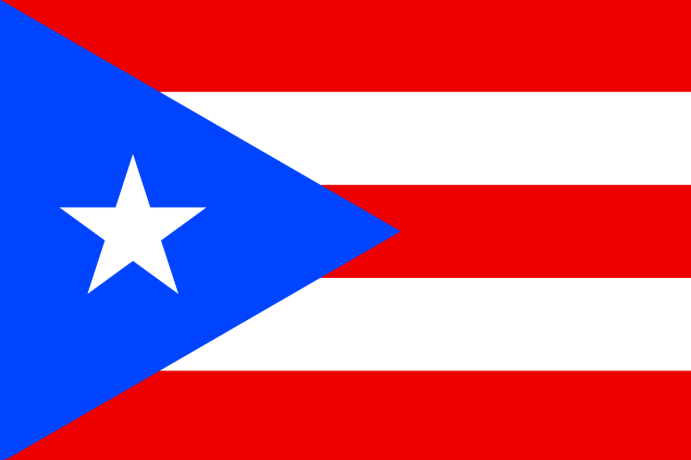
After the Spanish American War, Spain signed the Treaty of Paris, giving Puerto Rico, Guam, and the Philippines to the United States. This therefore raised many constitutional questions, on how the United States would govern these newly acquired territories. Before the treaty, Puerto Rico was considered a foreign country under U.S. customs laws, so goods imported from the island were subject to tariffs. However, once Puerto Rico became U.S. territory, it was unclear whether those tariffs could still legally be collected.
The Case:
De Lima & Co., a New York importing company, purchased sugar from Puerto Rico after the treaty went into effect. When the sugar arrived in New York, customs collector George R. Bidwell charged import duties as if Puerto Rico were still a foreign nation. De Lima & Co. paid the tariff but sued the government to recover the money, arguing that Puerto Rico was no longer foreign after becoming U.S. territory. While Puerto Rico was under U.S. sovereignty, import laws had not yet been decided after this change.
Debates From Each Side:
De Lima & Co., the plaintiff, argued Puerto Rico officially became U.S. territory once the Treaty of Paris was ratified, and the territory was ceded to the U.S. They stated, since it was no longer a foreign country, goods shipped from Puerto Rico could not legally be treated as foreign imports. The customs duties collected violated existing tariff laws because those laws only applied to foreign countries. De Lima believed the government should refund the illegally collected tariffs.
On the contrary, George R. Bidwell, representing the U.S. government, and the defendant in this case, debated, since Congress had not yet decided Puerto Rico's final political and legal status, foreign taxes should remain. It was argued, until Congress established a new customs system, Puerto Rico could still be treated like a foreign country for tariff purposes. Allowing duty-free imports immediately after annexation could create confusion and interfere with Congress's authority over newly acquired territories. Therefore, the foreign tariffs were lawful until Congress acted and declared otherwise.
Verdict:
The Supreme Court voted 5-4 in favor of De Lima. It was declared that Puerto Rico was no longer a foreign country once Spain officially ceded it to the United States under the Treaty of Paris. Because tariff laws only applied to imports from foreign countries, the government had no legal authority to collect foreign import duties on goods arriving from Puerto Rico after the transfer of sovereignty. While it was still not yet decided by Congress where Puerto Rico would stand in regards to the U.S. as an acquired territory, it was made clear it was no longer foreign, diminishing any possibility of foreign import taxes being imposed. Due to this, De Lima & Co. was entitled to be repaid the money it had paid in tariffs by the government.
Legacy:
De Lima v. Bidwell became one of the first and most important Insular Cases, a group of Supreme Court decisions addressing the constitutional status of U.S. territories acquired after the Spanish-American War via the Treaty of Paris. This established the foundational idea that a territory transferred to the United States is not a foreign country under U.S. tariff laws. This therefore clarified, Puerto Rico became part of U.S. territory immediately upon ratification of the Treaty of Paris.
However, this case did not decide whether the entire U.S. Constitution automatically applied to Puerto Rico. That issue was addressed later in Downes v. Bidwell (1901), where the Court introduced the doctrine of unincorporated territories, which are territories that belong to the United States but are not considered fully incorporated into the nation for all constitutional purposes.
Today, De Lima v. Bidwell remains significant, as it helped define the relationship between the United States and its territories while simultaneously laying the groundwork for the broader constitutional debates that continue to affect Puerto Rico and other U.S. territories. While this case did not answer all constitutional questions regarding the question of these territories, it cleared debate on whether territories should be considered territories. Despite this, this decision remains to be debated today, making this case extremely influential, even in more recent times.


Comments